Gum Disease Treatment for Bleeding While Brushing
Bleeding while brushing is one of those symptoms people often minimize until it becomes impossible to ignore. A little pink in the sink gets blamed on brushing too hard, switching toothbrushes, or a random sore spot. Sometimes that is true. More often, regular bleeding is the earliest visible sign that the gums are inflamed and need attention.
In practice, patients rarely come in saying, “I think I have gingivitis” or “I may need gum disease treatment.” They say their toothbrush looks bloody, their breath feels stale even after brushing, or their gums seem puffy around one or two teeth. They may mention avoiding floss because it always bleeds. That pattern matters. Healthy gums generally do not bleed with gentle brushing or routine flossing. When they do, it usually points to inflammation caused by plaque buildup, tartar, or deeper periodontal disease.
The good news is that bleeding gums can often improve significantly when the underlying cause is identified early and treated properly. The less good news is that home care alone does not always reverse the problem, especially once tartar has hardened below the gumline or the supporting tissues around teeth have started to break down.
What bleeding during brushing usually means
The most common reason for bleeding gums is gingivitis, which is inflammation of the gum tissue caused by bacterial plaque sitting at the gumline. Plaque is a soft film, and if it is not removed thoroughly every day, it irritates the gums. They become red, swollen, and prone to bleeding with light stimulation. Brushing, flossing, or even biting into a crisp apple can trigger it.
At this stage, the disease is limited to the gums. The bone and deeper support around the teeth have not yet been damaged. That distinction matters because gingivitis is usually reversible with professional cleaning and improved home care.
When gum inflammation is ignored, it can progress to periodontitis. That is the more serious form of gum disease. In periodontitis, bacteria and the body’s inflammatory response begin to destroy the ligament and bone that anchor the teeth. Patients may still report bleeding while brushing, but they often also notice gum recession, a bad taste, loose teeth, spaces opening between teeth, or tenderness when chewing.
Not every bleeding gum problem is advanced disease. Hormonal changes, poorly fitting dental work, dry mouth, certain medications, smoking, and systemic conditions like diabetes can all complicate the picture. Still, repeated bleeding is a sign worth taking seriously rather than watching for another six months.
Why “brushing too hard” is only part of the story
People are often told they brush too aggressively, and sometimes they do. A stiff hand, especially with a hard-bristled brush, can traumatize the gum margin. But trauma alone usually causes soreness or localized abrasion. It does not usually create the generalized puffiness and easy bleeding seen with plaque-induced inflammation.
There is also a common cycle that makes bleeding worse. A patient notices blood when brushing or flossing, gets alarmed, then avoids cleaning the area because it seems sensitive. The plaque load increases, inflammation worsens, and the next brushing bleeds even more. I have seen this many times. Once patients understand that gentle, consistent cleaning is part of recovery rather than the cause of the disease, things start to turn around.
Technique matters. Pressure matters. But the presence of blood is usually a clue to inflammation, not a reason to stop cleaning.
The first step in gum disease treatment
If bleeding happens more than occasionally, the first useful step is an examination and https://miloeact570.nexorafield.com/posts/what-is-gum-disease-treatment-and-when-do-you-need-it professional cleaning. There is no real shortcut here. A dentist or dental hygienist needs to look for the cause and determine whether the condition is simple gingivitis or something deeper.
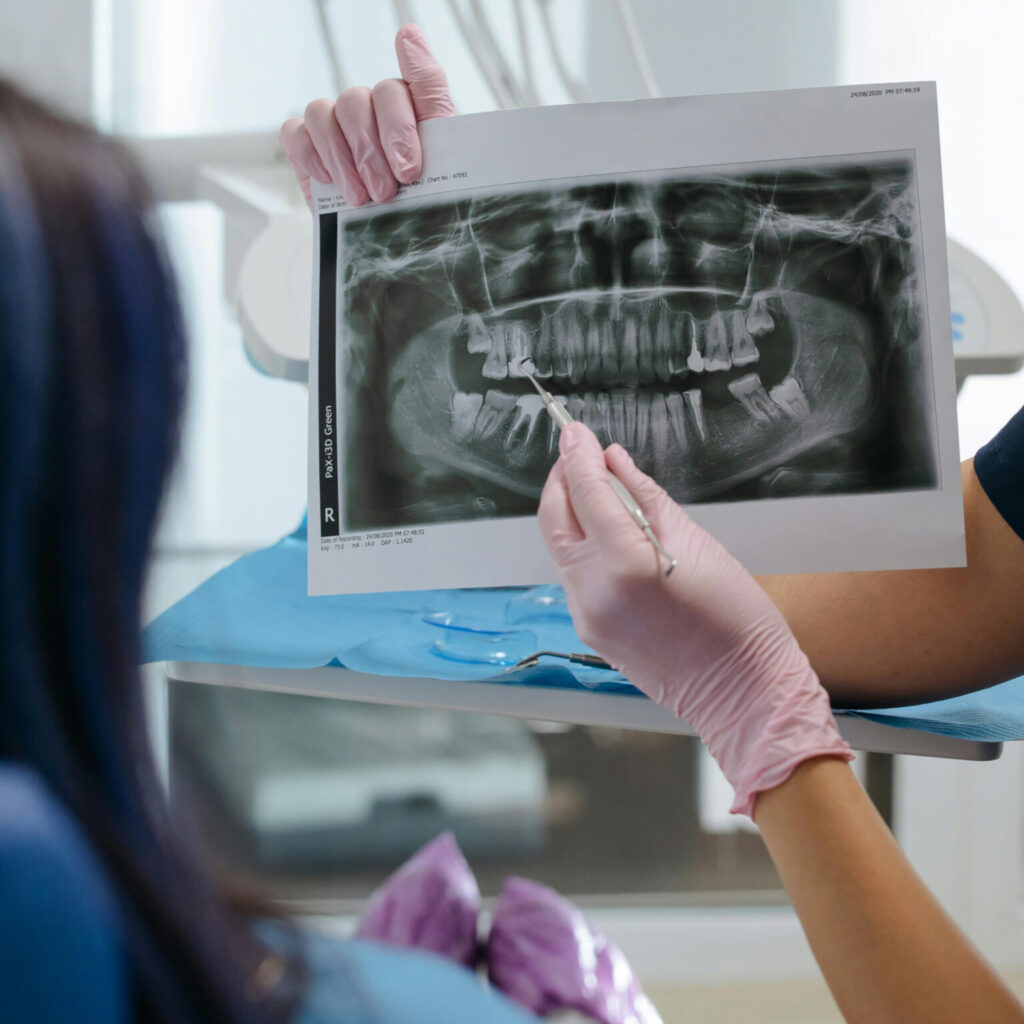
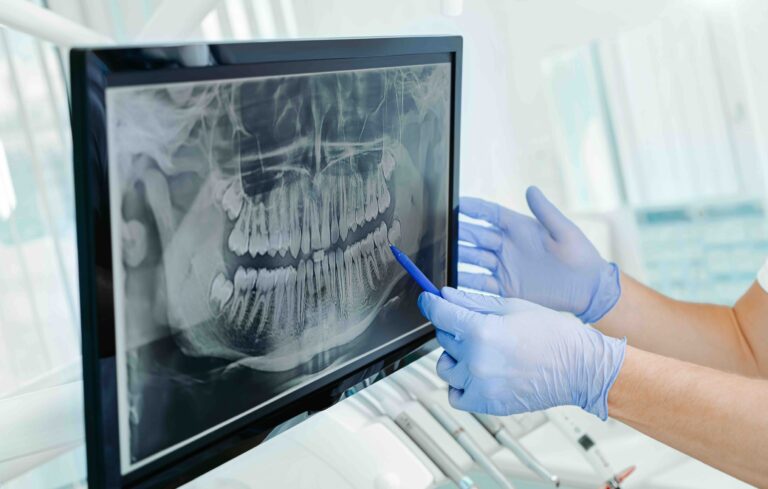
That visit typically includes an evaluation of gum color, contour, bleeding points, plaque accumulation, tartar deposits, and pocket depths around each tooth. Pocket depth refers to the space between the gum and the tooth. Shallow pockets are generally easier to keep clean and are more consistent with health. Deeper pockets can indicate disease progression. Dental X-rays may also be needed to assess bone levels, especially if there are signs of recession, mobility, or long-standing inflammation.
This is where the term gum disease treatment starts to become specific. Treatment is not one universal procedure. It depends on what is actually happening in the mouth.
When a routine cleaning is enough
If the issue is gingivitis without attachment loss or bone damage, a standard professional cleaning, often called a prophylaxis, may be all that is needed on the clinical side. The hardened tartar above and just under the gumline is removed, the teeth are polished, and the patient is given practical guidance on cleaning technique.
That sounds simple, but it can be remarkably effective when the disease is caught early. In many mild cases, bleeding improves within a week or two of consistent brushing and flossing after the cleaning. The gums begin to tighten up, swelling subsides, and patients often say their mouth feels cleaner in a way toothpaste alone never achieved before.
The key is follow-through. If plaque control at home stays inconsistent, gingivitis tends to return quickly. Plaque reforms within hours. That does not mean anyone needs perfect teeth cleaning at all times, but it does mean gum health depends on daily maintenance, not occasional rescue efforts.
When deeper treatment is necessary
If examination shows periodontitis, a routine cleaning is not enough. Once plaque and calculus extend deeper below the gumline, the goal shifts from surface cleaning to decontaminating root surfaces and reducing bacterial burden in the periodontal pockets.
The most common non-surgical treatment is scaling and root planing, often described as a deep cleaning. The wording can be confusing, so it helps to explain it plainly. Scaling removes plaque and hardened deposits from below the gumline. Root planing smooths the root surfaces so the gums can heal and reattach more effectively. Local anesthesia is frequently used because deeper cleaning can be uncomfortable, especially in inflamed areas.
Patients often expect instant results. In reality, healing takes time. Bleeding may improve noticeably within days, but pocket reduction and tissue tightening usually unfold over several weeks. A follow-up periodontal evaluation is important because some areas respond beautifully, while others remain deep or inflamed and need additional therapy.
In moderate to severe cases, treatment can also include locally delivered antimicrobials, systemic antibiotics in selected situations, more frequent periodontal maintenance, or referral to a periodontist. When deep pockets persist despite non-surgical care, gum surgery may be recommended to improve access for cleaning and reduce areas where bacteria continue to hide.
What treatment feels like from the patient side
Many people avoid treatment because they imagine it will be painful, complicated, or embarrassing. Most are relieved to learn it is manageable. Inflamed gums can be tender, and areas with heavy buildup may feel sensitive during cleaning, but modern instruments, anesthetics, and careful technique make a substantial difference.
After treatment, it is common to notice mild soreness, temporary sensitivity to cold, and a cleaner but slightly raw feeling around the gums. If swelling was significant, teeth may feel a bit different because the puffy gum tissue has gone down. That change is normal. In fact, some patients worry that spaces between the teeth have suddenly appeared, when what really happened is that inflamed tissue has shrunk back toward a healthier contour.
That is one of the trade-offs clinicians discuss openly. Treating gum disease can make the teeth feel cleaner and the gums look less swollen, but if there has been long-standing inflammation, the improved health may reveal recession or black triangles that were previously hidden by puffiness. Health still comes first, but patients deserve to know what healing may look like.
Home care that actually supports healing
Professional treatment is essential, but it is only half the job. Bleeding gums do not stay healthy on clinic visits alone. Daily plaque disruption is what keeps bacterial inflammation from rebuilding.
A soft-bristled manual brush can work very well when used carefully. Electric brushes can help people who rush, scrub too hard, or have difficulty reaching the gumline evenly. The best brush is often the one a person will use correctly and consistently twice a day. The motion should be gentle, with the bristles angled toward the gumline rather than sawing aggressively across the teeth.
Flossing matters because toothbrush bristles do not fully clean between the teeth. If standard floss is frustrating, floss picks, interdental brushes, or water flossers may be useful alternatives depending on the space between teeth and any dental work present. The method matters less than regular, effective disruption of plaque in the areas most likely to bleed.
For many patients, a simple routine works best:
- Brush gently for two full minutes, morning and night, focusing on the gumline rather than just the flat surfaces of the teeth.
- Clean between the teeth once a day with floss or another device that you can use thoroughly.
- Use an alcohol-free antimicrobial or fluoride rinse if recommended by your dental professional.
- Replace worn toothbrush heads promptly, because splayed bristles clean poorly and encourage scrubbing.
- Return for re-evaluation if bleeding persists beyond two weeks of improved home care.
That last point is important. Home care can calm mild inflammation, but persistent bleeding despite better brushing and interdental cleaning deserves another clinical look.
Mouthwash can help, but it cannot do the main job
Patients often hope a medicated rinse will fix bleeding gums without changing much else. Rinses can absolutely support healing, especially after professional treatment or in areas that are difficult to clean. Chlorhexidine may be prescribed for short-term use in selected cases, though it has downsides such as staining, altered taste, and limits on long-term use. Over-the-counter antimicrobial rinses can reduce bacterial load to some extent, and fluoride rinses help more with cavity prevention than gum inflammation.
Still, no mouthwash removes tartar, and no rinse physically breaks up sticky plaque between the teeth the way brushing and interdental cleaning do. If I had to choose between perfect rinse use and consistent mechanical cleaning, mechanical cleaning wins every time.
Factors that make bleeding gums harder to treat
Not all cases respond at the same pace. Some patients improve dramatically after one cleaning and a small change in technique. Others need persistent, layered care because the disease is being reinforced by other issues.
Smoking is one of the biggest complicating factors. It changes blood flow, impairs healing, and can mask inflammation in odd ways. Smokers sometimes have less obvious redness while still carrying significant periodontal disease. Once they reduce or stop smoking, gum response to treatment often improves.
Diabetes is another major factor, especially when blood sugar is poorly controlled. Gum disease and diabetes have a two-way relationship. Elevated glucose can worsen inflammation and healing, while active periodontal disease may make glycemic control more difficult. Patients with diabetes who keep regular periodontal maintenance visits often see steadier gum health than those who try to manage bleeding at home between sporadic appointments.
Dry mouth can also worsen the problem. Saliva helps buffer acids and limit bacterial overgrowth. Medications for blood pressure, anxiety, depression, allergies, and many other conditions can reduce saliva flow. In those cases, gum disease treatment may need to include dry mouth strategies rather than just more vigorous brushing.
Hormonal changes deserve mention too. Pregnancy, puberty, and menopause can all alter gum response and make tissues more reactive to plaque. Pregnant patients, in particular, may notice bleeding that seems sudden and disproportionate. That still warrants dental evaluation. Pregnancy gingivitis is common, but “common” should not be confused with “ignore it.”
Signs that the problem may be beyond early gingivitis
Some findings make me more concerned that the condition has progressed past mild inflammation. These are the situations where prompt evaluation is especially wise:
- bleeding that happens daily or with very light brushing
- persistent bad breath or a bad taste that returns quickly after cleaning
- gums pulling away from the teeth or teeth looking longer
- loose teeth, shifting bite, or spaces opening between teeth
- pus, swelling, or tenderness in one area of the gums
A single sign does not confirm severe disease, but these patterns raise the stakes and change how urgently treatment should happen.
What happens if treatment is delayed
Early gum inflammation can seem minor because it is usually not dramatic pain. That is exactly why it gets neglected. Cavities often hurt and force action. Gum disease can progress quietly. Bleeding becomes normal, chewing habits adapt, and people get used to swollen tissue little by little.
The risk of delay is not only more bleeding. Untreated periodontitis can lead to deeper pockets, progressive bone loss, gum recession, root sensitivity, tooth mobility, and eventually tooth loss. At that point, treatment becomes more complex and expensive. A patient who might have needed a cleaning and better home care may later need deep scaling, surgery, extraction, or replacement options such as bridges, dentures, or implants.
There is also the cosmetic side. Receding gums change the appearance of the smile. Front teeth may look longer, darker near the roots, or uneven along the gumline. Those changes can be difficult to reverse fully once support tissues are lost.
Maintenance is where long-term success is decided
One thing patients often do not hear early enough is that successful gum disease treatment is not a one-time event. It is an ongoing management process. That is not meant to sound discouraging. It is simply the reality of periodontal care.
After active treatment, many patients move to periodontal maintenance visits every three to four months rather than the traditional six-month schedule. That timing is based on how quickly pathogenic bacteria can repopulate and how much risk the patient carries. Someone with a history of periodontitis, smoking, diabetes, heavy tartar buildup, or inconsistent home care usually benefits from closer intervals.
These maintenance visits are different from casual cleanings. The gums are assessed for bleeding and pocket changes, deposits are removed carefully from above and below the gumline, and home care is adjusted based on what is actually happening in the mouth. If one area starts slipping, it can be addressed before the whole condition worsens.
That ongoing relationship is where the best outcomes happen. The patients who keep their teeth for the long haul are rarely the ones with perfect mouths. More often, they are the ones who respond quickly to warning signs, show up for maintenance, and make steady, realistic improvements rather than waiting for a crisis.
A practical way to think about bleeding gums
If your gums bleed while brushing once after eating a sharp tortilla chip, that may not mean much. If they bleed repeatedly over days or weeks, especially around the same areas or during routine brushing and flossing, assume the tissue is inflamed until proven otherwise. That is not a reason to panic. It is a reason to act.
Gum disease treatment works best when it matches the stage of disease. Mild gingivitis may respond to cleaning and better plaque control. Periodontitis may require deep cleaning, close monitoring, and long-term maintenance. The sooner the cause is identified, the simpler the path usually is.
Most patients feel a sense of relief once treatment starts. They realize the bleeding was not random, not something they had to live with, and not fixed by brushing harder. Healthy gums are usually quiet. They do not throb, ooze, or stain the foam in the sink pink every morning. When they start sending signals, listen early. It is one of the few areas in dentistry where a small symptom can prevent a much bigger problem if it is addressed at the right time.
Dental Group Of Beverly Hills
Address: 8641 Wilshire Blvd #125, Beverly Hills, CA 90211
Phone number: +13109296335
FAQ About Gum Disease Treatment
How to improve gum health quickly?
To improve gum health quickly, eliminate plaque buildup by brushing for two full minutes twice a day at a 45-degree angle to the gumline. Floss daily to clean under the gumline, and rinse with an antimicrobial, alcohol-free mouthwash. For immediate relief of soreness, use a warm saltwater rinse.
What is the fastest way to cure gum disease?
To quickly cure early-stage gum disease (gingivitis), eliminate the plaque buildup causing the inflammation. Brush gently but thoroughly for two minutes twice daily, floss daily, and use an antibacterial mouthwash or a warm saltwater rinse. However, if tartar has hardened, professional treatment is necessary.
How do I treat my gum disease at home?
You can treat early gum disease at home by practicing strict daily oral hygiene, rinsing with salt water or antibacterial mouthwash, and quitting smoking. True gum disease (especially advanced forms like periodontitis) cannot be fully cured at home once tartar forms, and you must see a dentist for professional cleanings.