Can Electric Toothbrushes Help After Gum Disease Treatment?
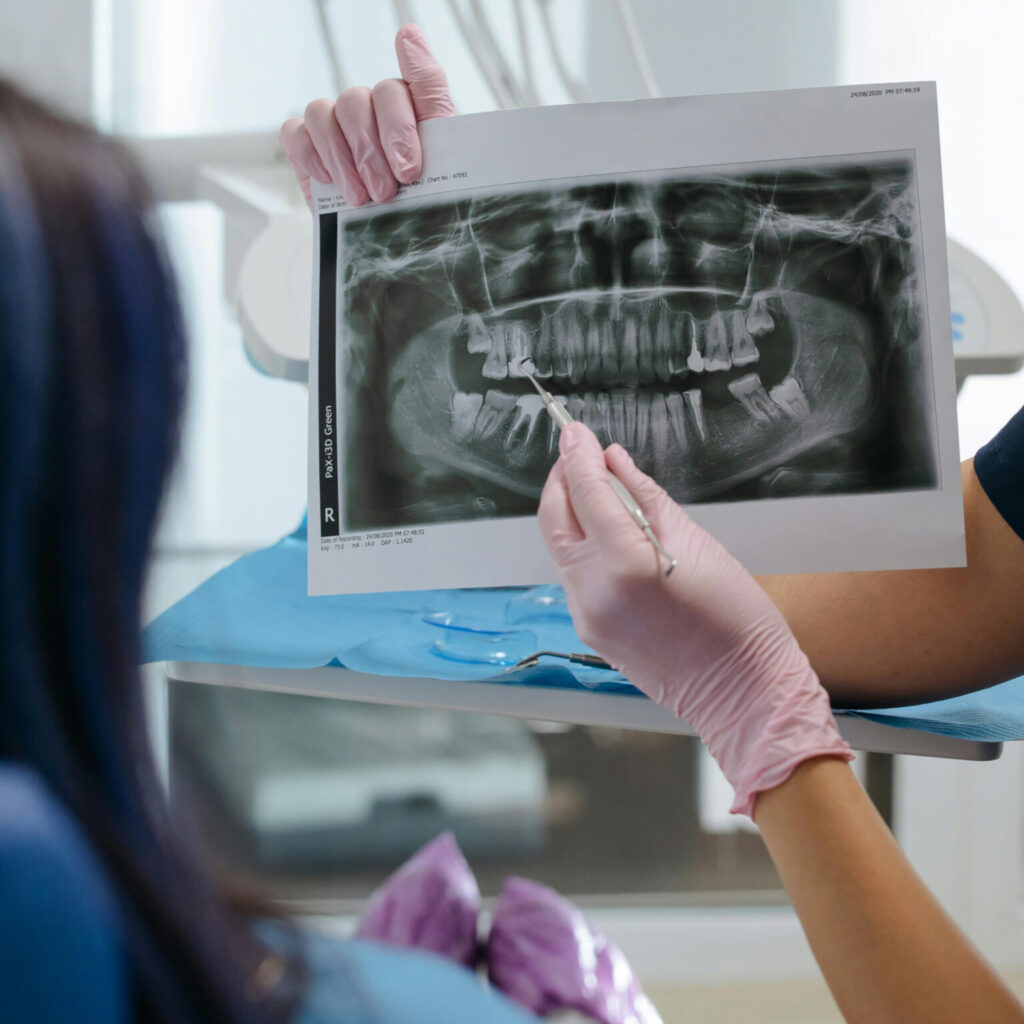
A common question comes up a few days after scaling and root planing, flap surgery, or another form of Gum Disease Treatment: should you switch to an electric toothbrush, or stick with the manual brush you already know?
The short answer is yes, an electric toothbrush can help after gum disease treatment, and for many people it does make day to day plaque control easier. But that answer needs context. Not every electric brush is equally gentle, not every mouth heals at the same speed, and not every patient uses a powered brush well just because the box says it removes more plaque.
What matters most after treatment is not gadget appeal. It is whether the brush helps you clean thoroughly, consistently, and without beating up tissue that is trying to recover.
The real job of brushing after treatment
Once active gum disease has been treated, the goal changes. You are no longer trying to reverse a deep inflammatory process with home care alone. Your job now is maintenance. That means disrupting plaque every day before it matures, thickens, and starts the cycle again.
That sounds simple, but the mouth after treatment is often more delicate than people expect. Gums may still be tender. Root surfaces may be exposed. Teeth can feel oddly long, slightly loose, or sensitive to cold. Areas that were heavily inflamed may bleed with very little provocation at first, even when treatment is going well. In that setting, brushing technique matters just as much as brushing frequency.
This is where electric toothbrushes often earn their place. Many patients can clean more effectively with less hand pressure when the brush head is doing the motion for them. A small oscillating or sonic head can also reach around contour changes, crowded lower front teeth, and molar areas that manual brushing often misses.
Still, there is a difference between “helpful” and “automatically better.” If someone presses hard, parks the brush in one place too long, or rushes through the gumline, a powered brush will not fix that. It may even irritate healing tissue.
Why plaque control becomes less forgiving after gum problems
Healthy gums can tolerate occasional imperfect brushing better than gums with a history of disease. Once you have had periodontitis or significant gingival inflammation, you tend to have less room for neglect.
Part of that is anatomical. After Gum Disease Treatment, swollen tissue often shrinks down to a healthier shape. That is a good thing, but it can leave behind spaces that were hidden before. Interdental areas may become more open. The gumline may expose root surfaces with subtle grooves and irregularities that hold plaque more easily than smooth enamel. If pockets were present before treatment, even reduced pockets still demand careful cleaning.
Part of it is behavioral. People often leave treatment motivated, then slowly drift back to old habits over a few months. They spend less time brushing. They stop angling the brush toward the gumline. They skip evening care when tired. The disease process does not need dramatic neglect to restart. It usually returns quietly, with bleeding, then tenderness, then deeper inflammation.
An electric toothbrush can support better habits because it lowers the skill barrier. Many models pace the user in thirty second intervals, which helps people spend enough time. Pressure sensors can curb aggressive scrubbing. Smaller heads can be easier to position than a broad manual brush.
Those are practical advantages, not marketing slogans. In daily practice, they matter.
What the evidence tends to support, in plain language
Across many studies, powered toothbrushes, especially oscillating-rotating and sonic designs, generally perform at least as well as manual brushes and often somewhat better for plaque removal and gingivitis reduction when used correctly. That does not mean every person will get a dramatic improvement. It means the average user often benefits from the added motion and consistency.
For someone who has gone through Gum Disease Treatment, that modest edge can be meaningful. Small daily reductions in plaque accumulation can make the difference between stable maintenance visits and repeated flare ups. The gains are usually not glamorous. Less bleeding. Better tissue tone. Fewer rough areas at the gumline. Cleaner lower incisors. Better compliance over six months because brushing feels easier.
One detail often gets overlooked. The value of an electric toothbrush is not only how much plaque it removes on day one. It is how well a person continues to use it after the novelty fades. A brush that feels comfortable, fits the mouth well, and gives useful feedback often wins on long term adherence.
When an electric toothbrush is especially helpful
There are certain situations where powered brushing tends to shine.
If someone has reduced dexterity from arthritis, hand injury, tremor, or neurologic conditions, a powered brush can be far easier to control than a manual one. Instead of asking the wrist and fingers to produce small repetitive motions around every tooth, the user mainly guides the head and lets the brush do the work.
If someone has a history of overbrushing, the right electric brush can be protective. Many people who developed gum recession were never lazy brushers. They were enthusiastic scrubbers. A pressure sensor, paired with a soft head and proper positioning, can interrupt that pattern.
If someone wears orthodontic appliances, fixed retainers, crowns with challenging margins, bridges, or implant restorations, the extra movement of a powered head can improve access around hardware and contours. It does not replace interdental cleaning, but it often improves the baseline.
And if someone simply never mastered manual brushing, honesty helps. There is no prize for loyalty to a manual brush if plaque keeps collecting along the lower linguals and molars. A powered brush can be the better tool.
When you should be cautious
Immediately after some types of treatment, timing matters.
After a routine deep cleaning, many people can use a soft electric toothbrush fairly soon, sometimes the same day or the next, depending on tenderness and their clinician’s advice. But after periodontal surgery, grafting, or procedures involving sutures, the instructions may be very different. In some cases, the surgical site should be avoided temporarily, cleaned only with a prescribed rinse, or brushed with an ultrasoft manual post-surgical brush until the tissue stabilizes.
This is not a contradiction. It is normal healing management. The best toothbrush after nonsurgical care is not always the right toothbrush for the first week after surgery.
Sensitivity is another reason to pause and adjust. Exposed root surfaces can sting when a powered brush first contacts them, especially if toothpaste contains strong flavors or whitening additives. Some people interpret that discomfort as “the brush is too harsh,” when the real issue is dentin sensitivity combined with inflammation that is still settling down. Often the solution is a softer head, lower intensity setting, and a desensitizing toothpaste rather than abandoning the brush altogether.
There is also the personality factor. Some users become passive with electric brushes. They hold the brush on the front surfaces and assume the machine is taking care of everything. Then they miss the back molars, the tongue side of lower front teeth, and the gumline itself. A manual brusher who is careful and thorough will beat a distracted electric user every time.
The type of electric toothbrush matters more than people think
Not all powered brushes behave the same way in the mouth. Some use small round heads with oscillating-rotating action. Others use a longer head with high frequency side to side sonic movement. Both can work well, but the feel is quite different.
Small https://www.google.com/maps?cid=18093465857196756038 round heads are often easier to position one tooth at a time, especially along the gumline and around crowded areas. They can be useful for patients who benefit from a very guided approach. Sonic brushes cover a bit more surface area and can feel less “mechanical” to some users, though the sensation takes getting used to. People with a strong gag reflex or a small mouth sometimes prefer one style very clearly over the other.
More important than brand loyalty are three practical features: a soft bristle head, a pressure sensor, and a timer. If a brush lacks all three, much of the value is lost.
A hard or medium head is rarely a good idea after Gum Disease Treatment. Healing tissue does not need aggression. Root surfaces certainly do not. Pressure sensors are worth more than people assume because they correct a common mistake most users do not realize they are making. Timers help those who think they brush for two minutes but are actually done in forty-five seconds.
Technique still decides the outcome
The easiest way to misuse an electric toothbrush is to scrub with it like a manual one. Most powered brushes work best when the head is placed gently at the gumline and allowed to do its motion while you guide it tooth by tooth.
That sounds almost too simple, but the difference in results can be striking. A patient may tell me they “brush all the time” and still show persistent plaque around the cervical margins. Then we slow the process down, reduce pressure, and improve brush placement. Two weeks later, the tissue looks calmer and the bleeding score drops.
A useful way to think about it is this: brushing after gum disease treatment is precision work, not yard work. You are not trying to scour the teeth. You are trying to disturb a thin, sticky film right where tooth meets gum, plus the areas between teeth that the brush cannot fully reach.
A few signs your brush routine is working
- Bleeding gradually decreases rather than staying constant week after week.
- Your teeth feel smooth at the gumline at night, not fuzzy by midafternoon.
- Tenderness improves even if mild sensitivity remains.
- Maintenance visits involve less tartar buildup and less inflamed tissue.
- The hygienist or periodontist stops repeating the same home care corrections.
If none of those things are improving after a month or two, the issue may be technique, the wrong brush head, insufficient interdental cleaning, smoking, uncontrolled diabetes, or residual disease that needs reassessment.
Electric toothbrushes do not replace the hard part
Many people hope the powered brush will handle everything. It will not. The most stubborn plaque after Gum Disease Treatment often sits between teeth, in furcations, around bridgework, or just below the contact points where bristles barely reach.
That means interdental cleaning is still nonnegotiable. Floss works for some mouths, but not all. If spaces have opened after inflammation resolved, interdental brushes may do more useful work than floss. For implants, pontics, and some wider embrasures, a rubber tip or specialty cleaner may be more effective. The right tool depends on the anatomy left behind after treatment.
This is one reason blanket advice can miss the mark. A person with mild gingivitis and tight contacts needs a different maintenance plan than someone who finished periodontal therapy with recession, black triangles, and lower molar furcation involvement. The toothbrush matters, but it is only one piece of a home care system.
Common mistakes I see after patients switch to electric
The first mistake is pressing too hard because the brush feels gentler than a manual. People assume that if the movement is small, more pressure must equal more cleaning. It does not. It usually means less effective bristle movement and more tissue irritation.
The second mistake is using the wrong head too long. A splayed brush head is a poor plaque remover. For someone in periodontal maintenance, changing the head on schedule is not cosmetic fussiness. It affects performance.
The third is ignoring the lingual side of lower front teeth. Those teeth collect plaque and calculus with unusual speed because of nearby salivary ducts and limited tongue space. A powered brush helps there, but only if the user tilts the head correctly and spends enough time.
The fourth is mistaking whitening for cleanliness. People buy a whitening head or abrasive paste and focus on stain while inflammation quietly builds at the margins. After Gum Disease Treatment, gum health should rank higher than surface brightness.
The fifth is brushing beautifully for ten days after a cleaning and then reverting to a rushed routine. Disease recurrence is usually a consistency problem, not a single bad week.
Comfort matters more than people expect
Patients stick with routines that feel manageable. That may sound obvious, but it shapes outcomes. If a manual brush leaves your wrist tired, if the small repetitive motion aggravates arthritis, or if you dread cleaning exposed root surfaces because they sting every night, your long term compliance will slip.
A well-chosen electric toothbrush can reduce that friction. Some users find the sensation odd for three or four days, then never want to go back. Others dislike the vibration and do better with a compact manual brush plus excellent technique. There is no moral dimension to the choice. The best brush is the one that lets you clean thoroughly every day without damaging tissue or avoiding the task.
I have seen patients in maintenance for years with beautiful periodontal stability using manual brushes, because they are meticulous and consistent. I have also seen patients improve dramatically after switching to electric because the powered head finally matched their dexterity and habits. The brush is a tool. The right tool depends on the hand using it.
What to ask your dentist or periodontist before buying one
A quick conversation can save a lot of trial and error. Ask whether your gums are ready for a powered brush right now or whether you should wait because of recent surgery. Ask whether your recession pattern, restorations, or implant work make one brush style preferable. Ask which interdental tool fits the spaces you actually have now, not the ones you had before treatment.
If you tend to get vague advice, bring photos of the brush options on your phone or ask the office to show you a sample head size. For people with small mouths, limited opening, or crowded teeth, head size can matter as much as the motor.
Also ask for a live demonstration. Watching someone angle the brush at your own gumline, especially around the back molars or lower front teeth, is far more useful than reading package instructions.
Cost, replacement heads, and whether it is worth it
Electric toothbrushes are more expensive upfront, and replacement heads add an ongoing cost. That matters. If the expense means you delay replacing worn heads or resent using the device, the benefit shrinks.
Still, it is fair to compare that cost with the cost of repeated inflammation, additional deep cleanings, restorative complications from recession, or another round of Gum Disease Treatment. For many patients, especially those with moderate or severe prior disease, a good powered brush is a sensible investment rather than a luxury.
There is no need to buy the most expensive model. Beyond a certain point, extra features do not necessarily improve oral health. Pressure control, a timer, and a soft head are the features that consistently matter. Fancy app tracking may motivate some users, but plenty of people maintain healthy gums without opening an app once.
So, can electric toothbrushes help?
Yes, often significantly, especially after Gum Disease Treatment when plaque control has to be steady, gentle, and thorough. They can reduce technique burden, improve timing, and help people avoid the damaging scrub-and-miss pattern common with manual brushing. For patients with dexterity issues, a history of aggressive brushing, or difficult tooth anatomy, they are frequently the better choice.
But they are not self-operating. They do not replace interdental cleaning. They are not always appropriate immediately after surgery. And they will not compensate for poor placement, too much pressure, or inconsistent use.
The most reliable path after gum disease treatment is simple, though not always easy: use a soft brush you can handle well, clean the gumline patiently, add the right between-teeth tool, and follow the maintenance schedule your dental team recommends. If an electric toothbrush helps you do that more comfortably and more consistently, it is doing exactly what it should.
Dental Group Of Beverly Hills
Address: 8641 Wilshire Blvd #125, Beverly Hills, CA 90211
Phone number: +13109296335
FAQ About Gum Disease Treatment
How to improve gum health quickly?
To improve gum health quickly, eliminate plaque buildup by brushing for two full minutes twice a day at a 45-degree angle to the gumline. Floss daily to clean under the gumline, and rinse with an antimicrobial, alcohol-free mouthwash. For immediate relief of soreness, use a warm saltwater rinse.
What is the fastest way to cure gum disease?
To quickly cure early-stage gum disease (gingivitis), eliminate the plaque buildup causing the inflammation. Brush gently but thoroughly for two minutes twice daily, floss daily, and use an antibacterial mouthwash or a warm saltwater rinse. However, if tartar has hardened, professional treatment is necessary.
How do I treat my gum disease at home?
You can treat early gum disease at home by practicing strict daily oral hygiene, rinsing with salt water or antibacterial mouthwash, and quitting smoking. True gum disease (especially advanced forms like periodontitis) cannot be fully cured at home once tartar forms, and you must see a dentist for professional cleanings.